
What to Look for When Booking a Fly Fishing Guide in Scotland
By Nicol Paton, Owner, The Scottish Fly Fishing Co.
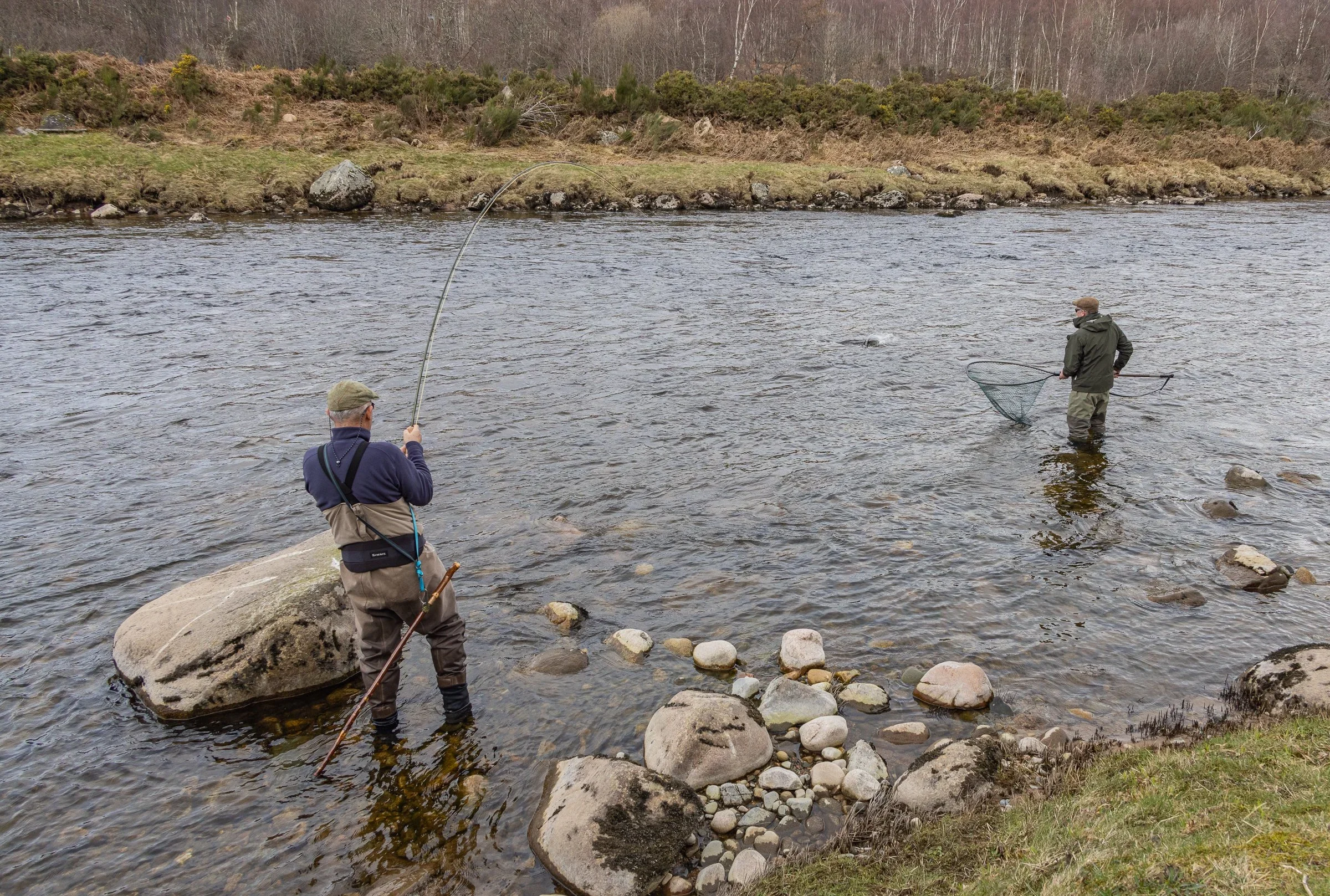
Booking a fly fishing guide in Scotland isn't particularly difficult, but working out which guide to book deserves a little more thought.
Search for fly fishing in Scotland and you'll find everything from individual instructors offering a day on their local river to established guiding businesses arranging complete fishing itineraries. Websites can look remarkably similar. Photos of salmon somebody making a long Spey cast don't necessarily tell you much about what your own day on the river will be like.
A good guide should do considerably more than take you to a river and point out where to cast. You're paying for judgement: choosing suitable fishing, matching tackle and approaches to the conditions, helping with technique where required and making dozens of small but important decisions during the day.
So, if you're researching fishing trips to Scotland, what should you actually look for?
Here are eight things worth checking before you book:
1. Check that your fly fishing guide is properly insured
This isn't the most exciting place to start, but it is one of the most important.
Professional guiding takes place in an environment where there are hazards. Rivers can be powerful, banks can be slippery and wading is sometimes difficult. Hooks are flying around, and clients may be unfamiliar with the water or even completely new to fly fishing.
Always ask whether the guide carries appropriate insurance for the work they're doing. A professional guide shouldn't be uncomfortable answering the question. Insurance on its own doesn't tell you whether somebody is a brilliant fishing guide, of course, but it does tell you something about whether they are treating guiding as a professional operation rather than simply taking paying guests fishing.
Green flag: Clear confirmation of appropriate insurance.
Red flag: A vague answer to a straightforward question.
2. Look at their qualifications — and understand what they mean
Qualifications are another useful piece of evidence. Organisations such as Scottish Game Angler Instructors (SGAIC) assess instructors across practical fishing and casting skills, teaching, equipment, safety, fisheries knowledge and other aspects of game angling. SGAIC also requires its instructors to be insured and First Aid qualified.
That matters particularly if part of your trip involves booking fly fishing tuition in Scotland rather than guiding alone.
Being able to catch fish and being able to teach somebody else effectively are different skills. A guide might instantly recognise why your Spey cast isn't working; but a good instructor also needs to be able to explain the problem in a way that helps you fix it.
At the same time, don't reduce the decision to a collection of letters after somebody's name. Qualifications are evidence of assessed competence, not a substitute for experience, local knowledge or the ability to spend an enjoyable day with a client.
For anglers specifically seeking fly fishing lessons in Scotland, we'd look for both: recognised qualifications and substantial practical fishing experience.
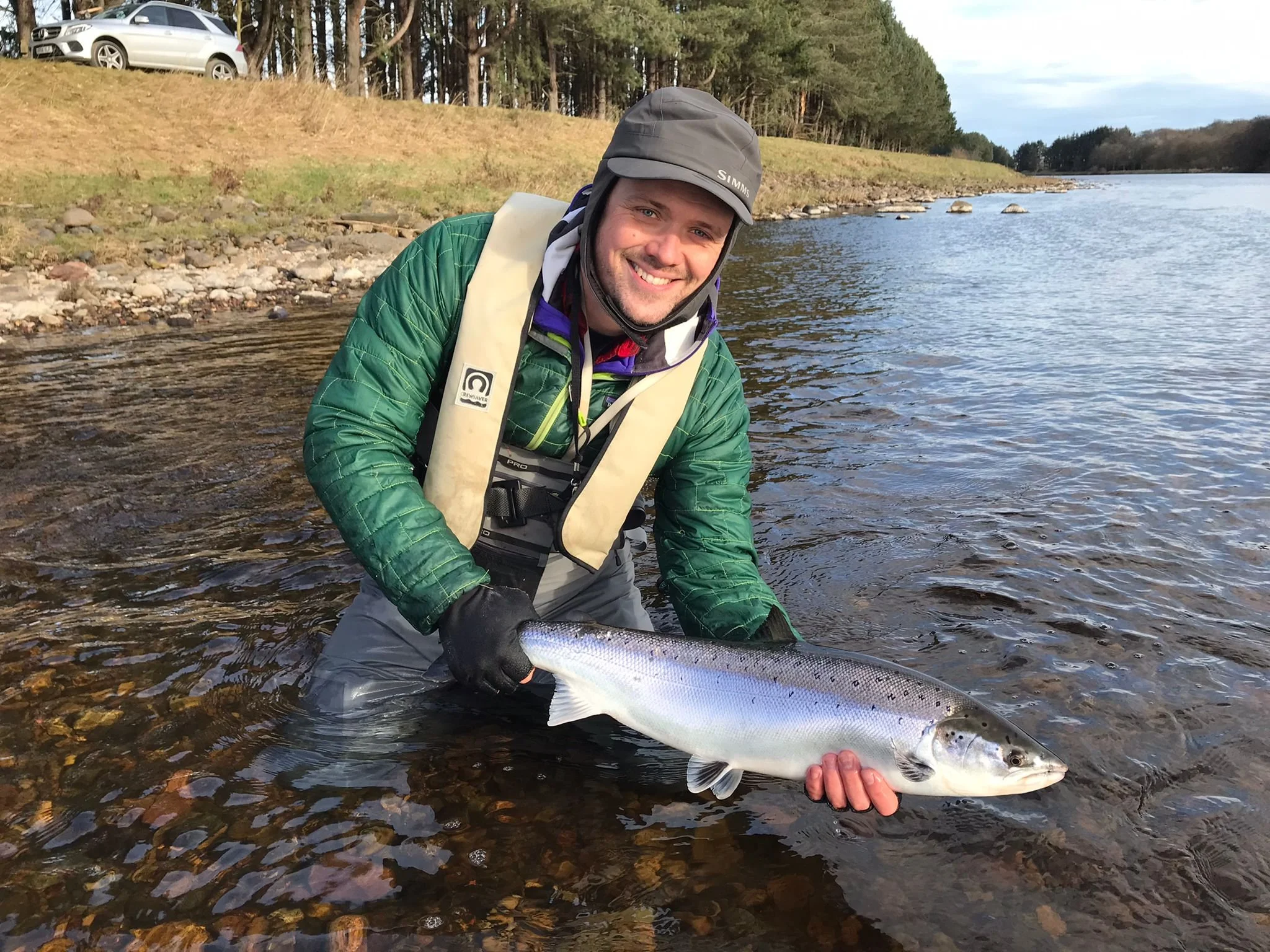
3. Find out how much fishing experience they have
There is experience, and then there is relevant experience.
A guide who has spent years fishing and working on Scottish rivers develops a bank of knowledge that is difficult to reproduce quickly. They have seen rivers high, low, clear, coloured, warm and cold. They've had days when the obvious tactics worked and plenty when they didn't. That experience matters because guiding rarely involves executing a perfect plan.
Imagine you've travelled a considerable distance for a day of salmon fly fishing in Scotland and the river doesn't look anything like it did when you booked. Perhaps the water has risen. Perhaps it has dropped away. Perhaps the wind is coming from exactly the wrong direction. What happens next? An experienced guide starts making adjustments: location, tackle, line, sink tip, fly, leader, casting approach, timing or expectations.
When you're researching a guide, look beyond how long the business has existed. Look at the people who will actually be taking you fishing and the depth and relevance of their experience.
4. Pay attention to the equipment they provide
Fishing tackle can tell you quite a lot about a guiding business.
We're not suggesting that every rod needs to be this year's model or that expensive tackle catches more fish — it doesn't. What matters is whether the equipment is good quality, well maintained and appropriate for the fishing. This becomes particularly noticeable with salmon tackle. Modern Spey lines and shooting heads are designed for different rods, casting styles and fishing situations. Having suitable options available can make an enormous difference when conditions change.
A guide who invests in their equipment can select an outfit for the client and the conditions rather than reaching for the same rod and line every morning because that's all that's available.
If you're travelling from overseas for fishing trips to Scotland, this can be especially important. Bringing several double-handed rods, reels, lines, waders and other equipment on a flight is inconvenient. You should be able to establish before booking exactly what can be supplied and what condition that equipment is in.
Green flag: A well-maintained range of tackle suited to different anglers and conditions.
Red flag: Very limited, tired equipment being used regardless of the fishing situation.
5. Ask which rivers and beats you’ll actually be fishing
This is a big one. A promise of "salmon fishing in Scotland" is extremely broad. Even naming the river doesn't tell you everything you need to know.
If you're considering River Dee fishing trips, for example, ask where the fishing is likely to take place and how the guide selects or books the beat. Different beats provide different fishing, and conditions can influence where it makes sense to spend your day. A guide's relationship with fisheries and knowledge of the available water can therefore be every bit as important as their own ability with a fly rod.
Be wary of judging a trip solely by photographs of famous-looking pools or references to prestigious rivers. You want to understand what is actually included in your booking.
Useful questions include: Is the fishing included in the quoted price? Which beat or beats might we fish? When will the fishing be confirmed? Why has a beat been selected? What happens if river conditions change substantially?
A good guide should be able to explain the thinking behind the fishing they arrange rather than simply selling the name of a river.

6. Look for evidence that the guides keep learning
This is one of the less obvious signs of a good operation. Guides shouldn't stop learning when they start getting paid.
Fishing techniques develop. Equipment changes. Casting instruction develops. Knowledge around fish handling, conservation and river management moves on. Even an experienced guide should remain curious. That is why staff development is worth looking for. Do guides undertake further training? Do experienced members of the team help develop newer guides? Are they actively improving their casting, teaching and fishing knowledge?
Good guides / companies place considerable emphasis on continued professional development. Whether that be bouncing ideas off one another, going through scenarios of what to do in certain situations that you often come across and different ways to rectify the situation, even bringing in external guides / casting instructors for knowledge sharing.
For the client, that attitude is encouraging. The best guides tend not to behave as though they finished learning about fishing twenty years ago.
7. Look beyond the guide’s own website
Every guiding company controls what appears on its website. That isn't a criticism; it's just how business websites work. Before booking, see what you can find elsewhere.
Can you find the guide listed with the professional organisation whose qualification they claim to hold? Are there independent reviews? Do fisheries, estates, hotels or other established businesses mention or work with them? Is there evidence that the person presented on the website is genuinely active within Scottish fishing? Professional bodies can be particularly useful here. SGAIC, for example, maintains a directory allowing clients to search for its instructors independently. You aren't looking for somebody to have thousands of online reviews or a large social-media following. Some exceptionally experienced fishing guides have remarkably little interest in the internet.
You're looking for corroboration. If everything you can learn about a guide comes from material they have written about themselves, it is reasonable to dig a little deeper.
8. Consider the whole guiding operation — not just the fishing
This is a bit harder to quantify, but it matters. Think about what happens around the fishing itself.
If you're being collected, what sort of vehicle arrives? Is it clean, maintained and suitable for transporting anglers and equipment? Was communication before the trip organised? Does the guide know where you're going and have the necessary arrangements in place? Is the tackle ready, or does the first hour disappear into finding equipment and sorting out problems?
None of these things will make a salmon take a fly. They can, however, tell you a great deal about the standards of the business you've booked. A guiding vehicle doesn't need to be a new luxury 4x4. A fly rod doesn't need to have come out of its tube yesterday. The point is whether there is visible care and investment in the things clients rely upon. When several of those details are right, it usually doesn't happen by accident.
In short: What should you ask a fly fishing guide before booking?
You don't need to interrogate somebody before agreeing to a day's fishing. A short conversation or email exchange will usually tell you plenty.
Ask about their experience, qualifications and insurance. Find out what equipment is provided and whether you need to bring anything yourself. Establish which river or beat you're likely to fish and whether fishing permits or beat charges are included. If you're looking for tuition, ask who will provide it and what instructional qualifications they hold.
Most importantly, explain what you want from the trip. A first-time fly fisher looking for fly fishing lessons in Scotland needs something very different from an experienced salmon angler who has travelled to Scotland specifically to fish the Dee. A good guide should be interested in that distinction.
Planning a fly fishing trip to Scotland?
At The Scottish Fly Fishing Co., we arrange guided fly fishing experiences in Scotland for anglers with a wide range of experience, from complete beginners through to experienced salmon fishers. We pride ourselves on how we look after our clients and make them feel at ease.
We look for guides that have a good attitude, are curious about what clients want from their experience and have an abundance of professionalism, reliability and local knowledge.
Whether you're interested in River Dee fishing, want to develop your casting through professional fly fishing tuition in Scotland, or are planning a wider Scottish fishing trip, we can help put together a day based around your experience, objectives and the fishing available. We own and operate a number of beats across the rivers Dee and Don and have access to private lochs across the Northeast of Scotland. This allows us to flex for our customers and provide the best option at the time.
We won't promise you a fish – no responsible guide can do that.
What we can do is help you approach your time on the river properly, with suitable equipment, considered instruction and fly fishing guiding built around the conditions you actually encounter.